

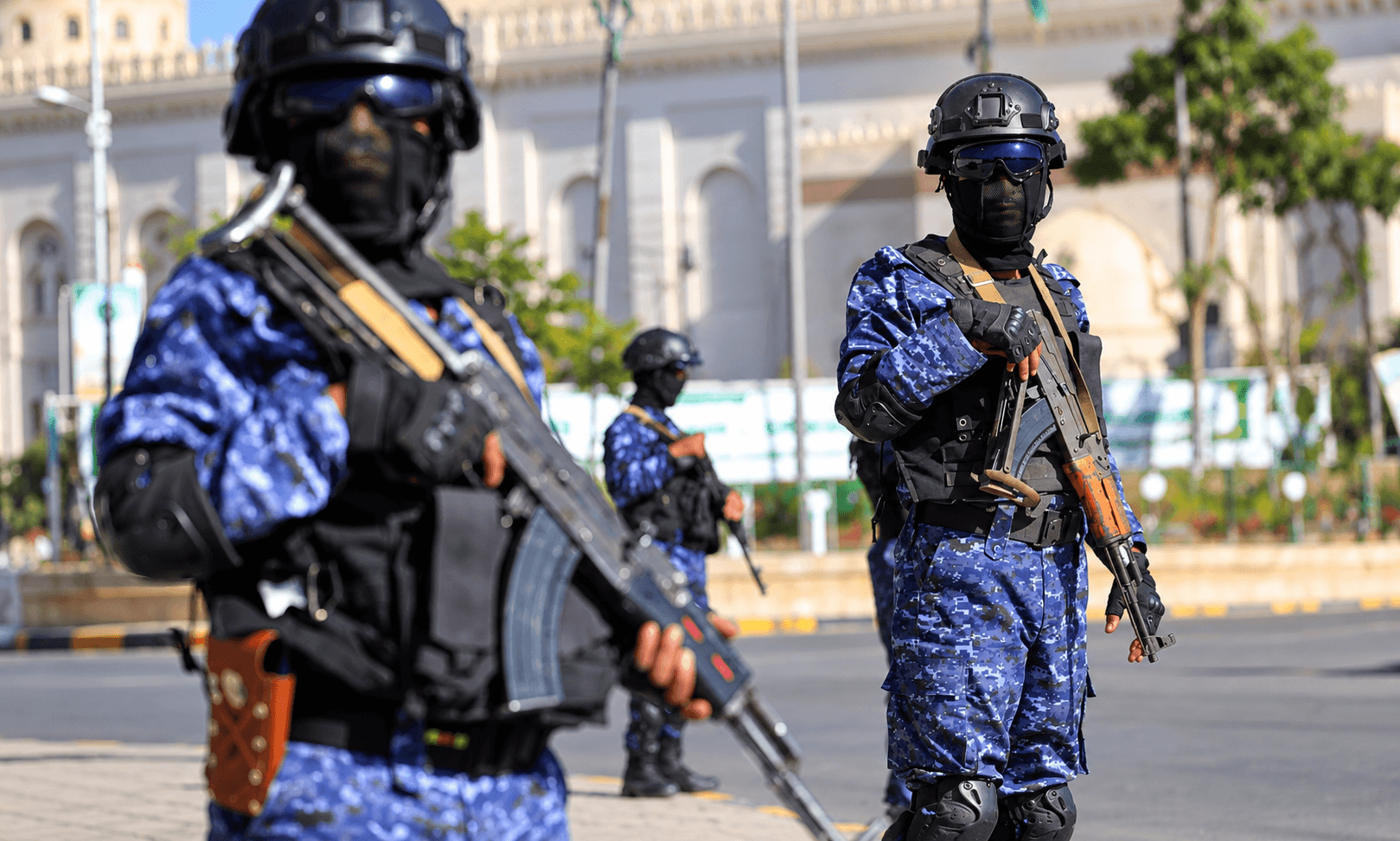
Yemen is facing another dangerous escalation as Saudi-led airstrikes intensify, government-aligned forces push against Houthi positions and the Houthis threaten further attacks on Saudi territory. After a fragile period of reduced fighting, the country is once again confronting a widening military campaign with serious implications for civilians, regional security and international trade.
The fighting has spread across several fronts. In early October, forces aligned with Yemen’s internationally recognised government launched a counteroffensive aimed at retaking territory held by the Houthis, including strategic positions along the Red Sea coast and near the Bab el-Mandeb Strait. Saudi air power has supported the campaign, while Houthi forces continue to resist the advance and threaten targets across the border.
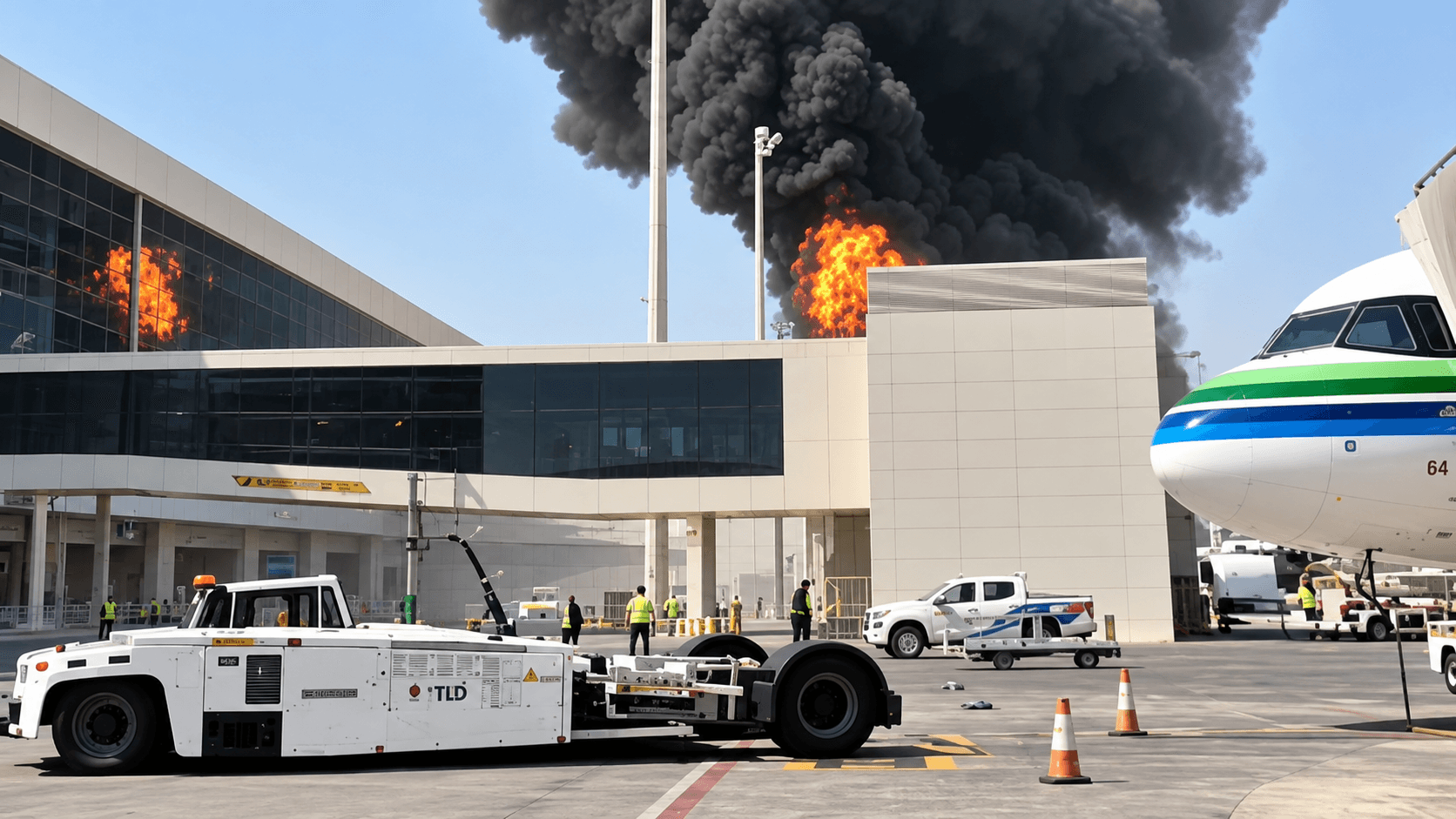
The retaliation has added another layer of danger. Reports of attacks on Saudi airports, including a deadly incident at Riyadh’s King Khalid International Airport on 10 October, have raised concerns about the security of civilian infrastructure. Threats against Saudi oil facilities have added to those fears, while reports of damage at Saudi Aramco’s Dhahran headquarters on 13 October have heightened tensions further.
Saudi-led forces have also struck Houthi-controlled sites inside Yemen, including fuel infrastructure near Sanaa. The exchange of attacks has increased the risk of further retaliation, with neither side showing clear signs of backing down.
For ordinary Yemenis, the consequences are becoming increasingly severe. UN briefings have highlighted renewed fighting across several governorates, deteriorating conditions in Taiz and restrictions on roads used to transport food, fuel, water and medical supplies. Aid organisations warn that civilians are once again bearing the cost of an intensifying conflict.
The stakes now extend well beyond control of individual towns or military positions. A prolonged escalation could draw Saudi Arabia deeper into the conflict, put more civilian infrastructure at risk and make it even harder for humanitarian agencies to reach communities in need.
SAUDI-LED FORCES STEP UP THEIR CAMPAIGN
The latest offensive follows a shift in fighting during September, when Houthi forces reportedly made gains along parts of Yemen’s western coast and near the approaches to Bab el-Mandeb.
In response, government-aligned forces launched a counteroffensive in early October, backed by Saudi airstrikes. Government sources have referred to the operation as the “Yemen Dawn” offensive, describing it as an effort to recover territory along the Red Sea coast and push Houthi forces away from strategically important positions.
Reports from government-aligned sources indicated advances around Dhubab and Mocha, although the Houthis disputed some claims about territorial losses. The situation on the ground remains fluid, and competing accounts make it difficult to establish the precise extent of either side’s gains.
The fighting has also spread beyond the coastal areas. During a Security Council briefing on 9 October, UN special envoy Hans Grundberg reported hostilities across several front lines, including areas west and south of Taiz, as well as Marib, al-Jawf and Hajjah.
His assessment pointed to a conflict that is once again expanding geographically, with ground operations and airstrikes taking place across multiple parts of the country.
Saudi air power has been central to the government offensive, targeting Houthi positions and military-related infrastructure. The aim is to weaken the movement’s ability to hold territory and launch attacks against Saudi Arabia.
But military pressure alone may not deliver a decisive result. Yemen’s mountainous terrain, entrenched armed groups and fragmented political landscape make it difficult to turn battlefield advances into lasting control.
Capturing a town or strategic road is only part of the challenge. Government forces must also maintain supply lines, secure surrounding communities and establish enough local stability to prevent opposing fighters from returning.
That leaves the latest campaign vulnerable to becoming another prolonged struggle rather than a decisive military operation. Both sides retain the ability to strike back, and the expanding range of targets suggests that the confrontation is moving beyond a conventional fight over territory.
HOUTHI RETALIATION PUTS SAUDI INFRASTRUCTURE AT RISK
The Houthis have presented their attacks on Saudi Arabia as retaliation for the coalition’s military operations in Yemen. The group has targeted airports and threatened oil infrastructure, warning that further strikes could follow if the campaign continues.
Reports concerning the attack on Riyadh’s King Khalid International Airport on 10 October described an initial death toll of at least 12, which later rose to 13, alongside hundreds of reported injuries. A further attack the following day reportedly killed one person and injured 11. The incidents were also associated with a prolonged airport shutdown and widespread flight disruption.
These reported attacks have placed Saudi civilian infrastructure under renewed pressure. Airports are vital to passenger travel, commercial activity and emergency transport. Oil facilities are equally sensitive because damage to production, processing or export infrastructure can affect energy supplies and market confidence.
On 13 October, Saudi-led forces struck Houthi-controlled energy infrastructure in Yemen, including a reported fuel depot near Sanaa. The Houthis subsequently renewed their threats against Saudi oil installations, while Saudi authorities reported intercepting incoming missiles.
On 14 October, the group said it would continue targeting Saudi airports and oil facilities following reports of a strike on Aramco’s Dhahran headquarters. The developments have raised fresh concerns about the possibility of further attacks on strategically important energy assets.
The danger lies in the cycle of retaliation. A strike on Saudi territory can prompt additional coalition operations in Yemen, which may then lead the Houthis to launch further attacks across the border.
Each new incident creates another opportunity for the conflict to widen.
Civilian infrastructure is particularly vulnerable in this environment. Even when an attack is directed at a military or strategic target, nearby communities can face casualties, fires, displacement and interruptions to essential services.
The reported incidents also underline the importance of independently verifying casualty figures, damage assessments and claims of responsibility as the situation develops.
BAB EL-MANDEB COULD TURN A REGIONAL CONFLICT INTO A GLOBAL SHIPPING PROBLEM
The Bab el-Mandeb Strait remains one of the most strategically important points in the conflict. The narrow passage connects the Red Sea with the Gulf of Aden and the wider Indian Ocean, making it a key route for ships travelling between Europe and Asia through the Suez Canal.
Its importance extends far beyond Yemen. Disruption can affect container shipping, energy transportation and the movement of goods through international supply chains.
The latest ground offensive has focused partly on recovering positions near the strait following reported Houthi advances along the coast. Government-aligned forces have claimed progress around strategic coastal locations, although fighting and competing claims over control continue.
The danger to shipping does not depend on the strait being completely closed. Threats against vessels, attacks on commercial ships or uncertainty about safe passage can be enough to persuade shipping companies to change their routes.
Some carriers may choose to sail around the Cape of Good Hope instead. That can add considerable time and fuel costs to voyages, complicate delivery schedules and increase pressure on businesses that depend on predictable shipping routes.
Energy markets are also exposed. Bab el-Mandeb forms part of a wider network of maritime routes connecting Gulf producers with international buyers. Disruption can raise transportation costs and uncertainty even if oil production itself remains unaffected.
The situation also places additional demands on regional governments and international naval forces responsible for maritime security. Protecting commercial shipping requires surveillance, coordination and a measured response to threats.
The key question is whether the latest escalation remains concentrated on land and cross-border targets or develops into sustained attacks on commercial vessels.
If the conflict spreads further into the maritime domain, the economic consequences could reach well beyond Yemen and Saudi Arabia.
CIVILIANS FACE DEEPENING HARDSHIP AS FIGHTING SPREADS
For Yemen’s population, renewed fighting threatens to undo what little stability has returned during periods of reduced hostilities. Years of war have damaged infrastructure, weakened public services and left millions of people dependent on humanitarian assistance.
The UN special envoy warned during his 9 October briefing that conditions in Taiz were deteriorating rapidly as fighting intensified around the governorate. His assessment also highlighted continued airstrikes and clashes in other parts of the country.
A further UN briefing on 12 October described how road restrictions and closures were disrupting civilian movement, commercial deliveries and humanitarian access, particularly around Taiz.
The restrictions have affected the movement of food, fuel, water and medical supplies. Rising commodity prices and worsening shortages are adding to the pressure on households already struggling to meet basic needs.
UN agencies reported that they and their partners had reached approximately 143,000 people with emergency assistance. However, the scale of need continues to challenge humanitarian operations.
The consequences of blocked roads can be immediate. Food may fail to reach local markets, pharmacies can run short of medicines and hospitals may struggle to secure fuel for generators or keep essential equipment running.
Families caught in areas of active fighting may have little choice but to leave their homes. Many arrive in safer locations with few belongings, limited savings and no reliable source of income.
That displacement puts additional pressure on communities that may already lack adequate shelter, clean water and healthcare.
Children, older people, people with disabilities and those who depend on regular medical treatment are particularly vulnerable when transport routes become unsafe. Pregnant women may struggle to reach medical facilities, while patients requiring ongoing treatment can face interruptions to essential care.
The impact also reaches communities far from the immediate fighting. Insecurity can disrupt farming, employment, markets and public services across wider areas. As prices rise and incomes fall, families may be forced to cut back on food or sell possessions to pay for necessities.
For many households, the crisis is not just about surviving an airstrike or escaping a frontline. It is also about finding enough food, obtaining medicine and getting through another day without reliable access to basic services.
AID ORGANISATIONS CALL FOR PROTECTION OF CIVILIANS
Humanitarian organisations are warning that civilians must not be left to bear the consequences of the renewed military escalation.
On 14 October, Amnesty International raised concerns about growing risks to civilians in Yemen and Saudi Arabia as hostilities intensified. The organisation called on all parties to protect civilians and comply with international humanitarian law.
The warning reflects the dangers on both sides of the border. Houthi attacks have reportedly caused civilian casualties in Saudi Arabia, while Saudi-led strikes in Yemen can endanger residents when military operations take place near populated areas or essential infrastructure.
International humanitarian law requires parties to distinguish between civilians and combatants, take feasible precautions to limit civilian harm and avoid attacks that are indiscriminate or disproportionate.
Civilian infrastructure is not automatically a lawful military target simply because it is located in territory controlled by an armed group. The legality of an individual attack depends on the circumstances, the nature of the target and the applicable legal rules.
Humanitarian access is another urgent concern. Aid organisations need safe and reliable routes to reach communities affected by fighting. When convoys cannot travel, roads are blocked or local restrictions prevent deliveries, emergency assistance becomes harder to provide.
UN operations in Yemen have already faced challenges linked to insecurity and restrictions affecting personnel. A further deterioration in security could make it more difficult to reach displaced families and communities cut off by the fighting.
Even if hostilities ease, the humanitarian crisis will not disappear overnight. Roads will need to reopen, essential supplies must reach markets and healthcare facilities, and displaced families will need assistance to return home or rebuild their lives.
But without a sustained reduction in violence, those recovery efforts will remain difficult and uncertain.
WHY A MILITARY VICTORY MAY REMAIN OUT OF REACH
Saudi Arabia and its Yemeni partners face a difficult strategic challenge. Their current campaign aims to reverse Houthi territorial gains and reduce the movement’s ability to threaten Saudi territory.
Yet years of fighting have shown how difficult it is to achieve a lasting political settlement through military pressure alone.
The Houthis remain an entrenched armed and political force in parts of Yemen. They have demonstrated the ability to launch missiles and drones beyond the areas they control, while Yemen’s internationally recognised government continues to face fragmented alliances and limited state capacity.
Government-aligned forces may capture positions along the coast, but holding that territory requires sustained supplies, reinforcements and effective local administration. Without those elements, battlefield gains can prove temporary.
The coalition also faces the risk that attacks affecting civilian or economically important infrastructure will fuel further hostility and strengthen the incentive for retaliation.
Even successful strikes against military positions may not produce a durable political outcome if the underlying disputes over power, security and governance remain unresolved.
A diplomatic solution would need to address territorial control, political representation and security arrangements while accounting for Yemen’s fragmented institutions. It would also require credible commitments from the parties and cooperation from regional actors capable of influencing their decisions.
For now, the intensity of the fighting and the exchange of threats offer little reassurance that a rapid settlement is close.
The challenge is not simply to halt the latest offensive. It is to prevent another cycle of military escalation from making a negotiated settlement even harder to achieve.
FACT CHECK METER
FACT METER: 97% — HIGH CONFIDENCE IN THE BROADER ESCALATION, SUBJECT TO VERIFICATION OF INDIVIDUAL INCIDENTS
Status: The article’s central themes are presented as supported by the cited UN briefings, media reports and humanitarian statements. Specific battlefield claims, casualty figures and reports of strikes require independent verification.
Key details reported:
On 9 October, the UN special envoy reported fighting across multiple Yemeni front lines, including areas around Taiz, Lahj, Marib, al-Jawf and Hajjah.
Government-aligned Yemeni forces launched an offensive in early October, supported by Saudi airstrikes, to regain territory near the Red Sea coast and Bab el-Mandeb.
The Houthis have threatened Saudi airports and oil facilities, while Saudi-led forces have struck sites in Houthi-controlled areas of Yemen.
UN reporting on 12 October highlighted road restrictions, supply disruptions, rising prices and worsening humanitarian needs, particularly around Taiz.
Amnesty International raised concerns on 14 October about the risks to civilians in Yemen and Saudi Arabia.
Important distinctions:
Claims about territorial gains are not always independently verified, and the Houthis have disputed some government announcements.
A stated motive of retaliation does not establish the legality of an attack or remove responsibility for civilian harm.
Civilian casualties and damage must be assessed on an incident-by-incident basis; not every strike has the same impact.
Conditions differ across Yemen, so reports from Taiz should not automatically be applied to every governorate.
The reported attacks on Riyadh airport and Aramco’s Dhahran headquarters, including casualty figures and the extent of damage, should be independently corroborated before being treated as conclusively established facts.
AWX VERDICT: Yemen is facing a serious reported escalation, with government-aligned forces intensifying operations against Houthi positions and the Houthis threatening or carrying out attacks against Saudi targets. The situation raises significant concerns about civilian safety, humanitarian access and Red Sea shipping. However, the full extent of battlefield changes and the details of individual strikes remain subject to verification.
WHAT TO WATCH NEXT
Battlefield developments: Whether government-aligned forces consolidate their positions near Bab el-Mandeb and Mocha or face fresh Houthi counterattacks.
Saudi air campaign: Whether coalition strikes expand to additional military or energy-related sites, and what independent assessments establish about damage and casualties.
Houthi retaliation: Whether further attacks target Saudi airports, oil installations or other civilian infrastructure.
Humanitarian access: Whether roads around Taiz reopen and aid agencies can restore regular deliveries of food, water, fuel and medical supplies.
Shipping security: Whether commercial vessels face further threats or companies divert more traffic away from the Red Sea.
Diplomatic efforts: Whether the UN and regional governments can secure a pause in hostilities or establish channels to prevent further escalation.
THE AWX BOTTOM LINE
Yemen’s conflict is entering another dangerous phase, with consequences that extend beyond the country’s front lines. Saudi-backed forces are stepping up operations against Houthi positions, while the Houthis are threatening Saudi airports and oil infrastructure. Each new attack increases the possibility of retaliation and makes the conflict harder to contain.
For civilians in Yemen, the immediate concerns are violence, displacement and worsening access to essential supplies. Around Taiz and other affected areas, road restrictions and rising prices are making it harder for families to obtain food, fuel, water and medical care. Across the border, reported attacks on Saudi infrastructure have raised their own concerns about civilian safety and economic disruption.
The strategic implications reach into the Red Sea, where further instability could affect international shipping and trade. Yet even substantial military gains are unlikely to resolve Yemen’s political divisions or humanitarian emergency on their own.
The priority now is to protect civilians, restore humanitarian access and prevent further attacks from triggering a broader regional confrontation. A credible return to negotiations will also be essential if the parties hope to move beyond another cycle of fighting.
Without those steps, the latest offensive risks becoming another costly chapter in a conflict that has repeatedly shown the limits of military solutions.
ATTLAS WIRE | AWX WORLD NEWS
Real Stories. Lasting Impact.



Comments
No comments yet.