


Dubai’s stock market is showing signs of recovery after a difficult period for Gulf equities, but investors remain cautious. Regional security concerns, disruptions to shipping through the Strait of Hormuz and uncertainty surrounding US–Iran negotiations continue to weigh on sentiment across the Middle East.
On Tuesday, 13 October, Dubai’s Financial Market General Index rose around 0.4%, while Abu Dhabi’s benchmark gained approximately 0.3%. Saudi Arabia’s main index also climbed 0.3%, ending a four-session losing streak. The gains offered some relief after several sessions of selling, although concerns about the region’s security and economic outlook remain.
The mood was considerably weaker on 8 October, when Dubai’s benchmark dropped 1.7% to 5,799 points and Abu Dhabi’s index fell 1.6% to around 9,801 points. Selling was widespread, with 40 of the 50 stocks traded in Dubai and 79 of the 99 stocks traded in Abu Dhabi closing lower.
For investors, the challenge extends beyond deciding whether Gulf shares offer good value. They must also consider how prolonged tensions could affect oil shipments, tourism, business confidence, corporate earnings and operating costs across the region.
The latest gains suggest some buyers are returning after the selloff. However, whether the recovery can hold will depend largely on developments outside the stock market.
WHY DUBAI MARKETS HAVE COME UNDER PRESSURE
Gulf stock markets have been caught between geopolitical uncertainty and concerns about the potential economic fallout from a prolonged regional conflict.
One of the biggest concerns is the risk of further escalation involving Iran, the United States and other regional players. With the outlook for diplomatic negotiations still uncertain, investors have little clarity about whether shipping conditions will improve or deteriorate in the coming weeks.
On 2 October, Dubai’s benchmark fell for a fourth consecutive session, closing 0.5% lower. Abu Dhabi’s index slipped 0.3%, extending its losing streak to seven sessions. Reuters reporting at the time pointed to stalled US–Iran negotiations, geopolitical uncertainty and continued shipping disruptions around the Strait of Hormuz as factors weighing on regional shares.
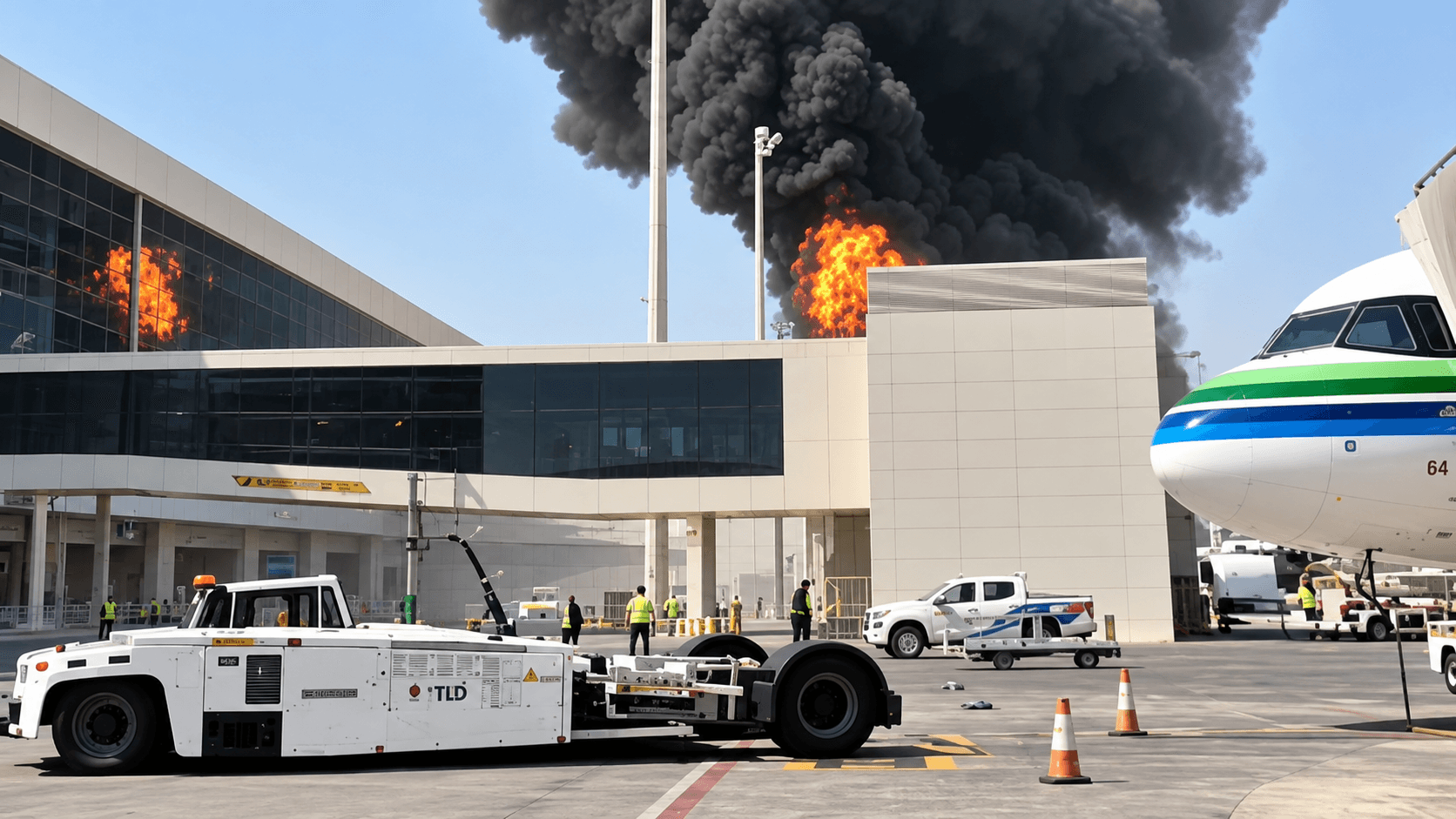
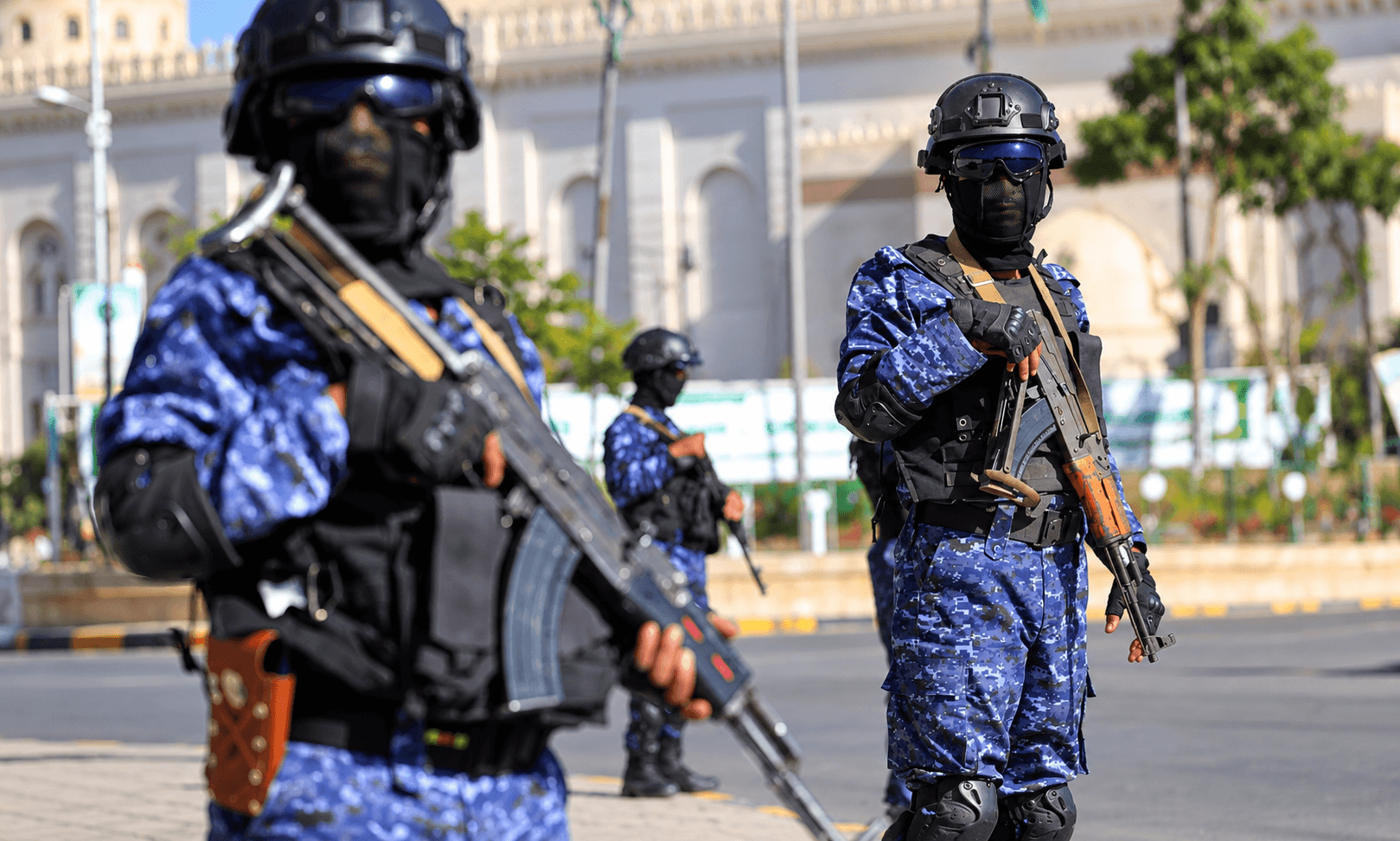
Security concerns intensified again on 13 October following attacks and threats affecting Saudi Arabia, alongside renewed military activity in Yemen. These developments added to worries about the safety of important transport and energy routes.
For investors, the uncertainty makes it harder to assess future costs, revenues and business conditions. Even companies with no direct involvement in the conflict can come under pressure when investors reduce their exposure to regional assets or demand higher returns to compensate for additional risk.
That helps explain why market sentiment can shift so quickly. A short-lived rebound may offer some relief, but it does not necessarily mean the underlying risks have eased.
DUBAI AND ABU DHABI SHOW SIGNS OF RECOVERY
Recent trading in the UAE has been uneven. Sharp losses earlier in the month have been followed by modest gains as investors reassess the immediate outlook.
Dubai’s benchmark closed at 5,799 points on 8 October after falling 1.7%. Selling spread across several sectors, including banking and real estate, reflecting broader concerns about the regional investment climate.
The market recovered 0.3% on 9 October, supported by gains in Emirates NBD and Emaar Properties. Abu Dhabi, however, edged lower that day, showing that the two UAE exchanges were not moving in lockstep.
Both markets returned to positive territory on 13 October. Dubai advanced around 0.4%, while Abu Dhabi gained approximately 0.3% as investors weighed ongoing security risks against the possibility of avoiding a wider escalation.
The distinction is important: while Gulf equities have faced considerable pressure in recent sessions, Dubai’s index recorded a gain in the latest reported session rather than another decline.
Still, a few positive trading days are not enough to establish a lasting recovery. Investors will want to see greater clarity on regional security, more predictable shipping conditions and continued confidence in companies’ financial performance before concluding that the worst of the selloff has passed.
THE STRAIT OF HORMUZ ADDS TO MARKET ANXIETY
The Strait of Hormuz remains central to concerns about the region’s economic outlook.
The narrow waterway is one of the world's most important routes for oil shipments. Disruptions can affect energy supplies, tanker availability, freight rates and insurance premiums, with consequences that extend well beyond the oil industry.
On 13 October, the Financial Times reported an increase in attacks on vessels around the strait. According to its reporting, six vessels were targeted on 11 October alone, while oil exports passing through the waterway had fallen sharply. Rising security concerns were also prompting shipowners to reconsider their routes.
For Gulf markets, the implications go well beyond changes in crude prices.
Higher oil prices can benefit some energy producers, but they can also push up fuel and transport costs for airlines, logistics operators and other businesses. Shipping disruptions may delay deliveries, increase insurance expenses and make it harder for companies to plan their operations.
Dubai is particularly sensitive to confidence in international travel, trade and investment. If regional tensions continue, businesses could face higher costs and greater uncertainty around travel arrangements and supply chains.
The impact, however, will not be the same for every UAE-listed company. Much will depend on the sector in which a business operates, its customer base, its financial position and its reliance on international trade.
BANKS AND PROPERTY SHARES REMAIN IN FOCUS
Banks and property developers are likely to remain in focus as investors assess the outlook for Dubai’s economy.
Banking stocks can react to changing expectations for economic growth, credit demand, funding costs and loan quality. When confidence weakens, investors may cut their exposure to financial companies even if there has been no immediate deterioration in their latest results.
Property developers face a different set of concerns. Investors will be watching property sales, project demand, financing conditions and the outlook for residential and commercial developments.
The scale of the selloff on 8 October showed how quickly pressure can spread across major UAE-listed companies. Emirates NBD fell 3.6% that day, while Emaar Properties lost 1.7%. Dubai Islamic Bank also closed lower.
Those share-price movements do not necessarily mean the companies’ underlying businesses have weakened by the same amount. Stock prices often respond to shifting investor sentiment, changing expectations and broader market risks, as well as developments specific to individual companies.
The next phase of trading will depend partly on whether investors return to major banking and property stocks. Upcoming earnings reports and management guidance could also help clarify whether businesses are maintaining their performance despite the uncertain environment.
WHY GULF MARKETS ARE NOT MOVING TOGETHER
Although Gulf markets face many of the same geopolitical risks, their performance has varied from one session to another.
On 13 October, Saudi Arabia’s benchmark gained 0.3%, Dubai rose around 0.4%, Abu Dhabi advanced 0.3% and Qatar edged up 0.2%. The gains came despite continued uncertainty surrounding US–Iran negotiations and shipping disruptions around the Strait of Hormuz.
Earlier in the month, the picture was less encouraging. On 8 October, Dubai and Abu Dhabi recorded sharp losses, while Qatar’s benchmark fell 2.2%, according to Reuters reporting.
Differences in market composition help explain why regional exchanges do not always respond in the same way. Each has its own mix of banks, property developers, energy companies and other listed businesses. Valuations, corporate earnings, trading activity and investor positioning also influence daily movements.
A regional security shock can affect all these markets, but the scale and timing of the impact will vary.
For investors, this means that looking at Gulf equities as a single group can overlook important differences. Individual markets and companies need to be assessed on their own economic exposures, financial performance and sector mix.
WHAT THIS MEANS FOR INTERNATIONAL INVESTORS
Gulf equities offer exposure to banking, property, energy, infrastructure and consumer activity across the region. But geopolitical uncertainty can quickly change the short-term outlook, even when the longer-term investment case remains intact.
When risks rise, investors may reduce their holdings, demand a greater return for taking on uncertainty or postpone new investments. These decisions can add to volatility and put further pressure on share prices.
International investors will be watching for signs that the conflict is beginning to affect corporate earnings, trade flows, tourism and capital spending. If disruptions remain contained and diplomatic efforts make progress, markets may gradually return their attention to company fundamentals.
A further escalation could produce the opposite result. Higher shipping costs, weaker business confidence and greater uncertainty about regional growth could keep investors on the sidelines.
For now, the recent rebound is best viewed as a development worth monitoring rather than proof that the market has reached its bottom.
Long-term investors should also avoid treating a falling share price as automatic evidence of value. A proper assessment needs to consider earnings, debt, cash flow, competitive strength and the risks that could affect future performance.
THE UAE’S ECONOMIC RESILIENCE WILL BE TESTED
The UAE has built a diversified economy, with Dubai serving as a major centre for trade, tourism, financial services, real estate and international business.
That diversity can help cushion the impact when one sector comes under pressure. However, it cannot fully insulate the country from regional instability, particularly when energy markets, shipping routes and international travel are affected.
Investors and businesses will be looking for signs that commercial activity can continue without major disruption, that international visitors and investors remain confident and that important trade routes remain accessible.
Operating costs will also be important. Higher freight and insurance charges can squeeze companies that import goods or depend on international supply chains. Continued uncertainty may also lead some businesses to delay investment decisions until the outlook becomes clearer.
For listed companies, the challenge is to protect earnings, manage costs and maintain financial discipline while navigating an unpredictable environment.
The performance of UAE stock markets over the coming weeks will offer some insight into how investors view these risks. However, share prices alone cannot tell the full story of the country’s economic health.
FACT CHECK METER
FACT METER: 98%
STATUS: RECENT SELLOFF CONFIRMED — MODEST MARKET RECOVERY RECORDED ON 13 OCTOBER
CONFIRMED: Dubai’s benchmark fell 1.7% to 5,799 points on 8 October 2026, while Abu Dhabi’s index declined 1.6% to approximately 9,801 points.
CONFIRMED: On 13 October, Dubai gained around 0.4%, Abu Dhabi rose approximately 0.3% and Saudi Arabia’s benchmark advanced 0.3%.
CONFIRMED: Uncertainty over US–Iran negotiations and shipping disruptions around the Strait of Hormuz have contributed to cautious sentiment across Gulf markets.
IMPORTANT DISTINCTION: Regional exchanges have not moved uniformly. Several recorded gains on 13 October even as security concerns remained elevated.
IMPORTANT DISTINCTION: Recent share-price declines do not, on their own, prove that the UAE economy is weakening or that every listed company is experiencing deteriorating business conditions.
AWX VERDICT: The headline reflects the wider pressure on Gulf equities following a volatile period. The latest trading figures point to a modest recovery, but a sustained improvement will depend on regional security developments, shipping conditions and corporate performance.
WHAT TO WATCH NEXT
1. US–Iran negotiations: Progress towards de-escalation could improve investor confidence. A breakdown in talks could bring renewed selling pressure.
2. Strait of Hormuz shipping: Vessel movements, reported attacks, freight rates and insurance costs will help indicate whether commercial shipping conditions are improving or deteriorating.
3. Dubai and Abu Dhabi index performance: Gains sustained over several sessions would provide a stronger signal of recovery than a single positive close.
4. Banking and property stocks: Investors will watch major lenders and developers for signs of stable earnings, continued demand and improving confidence.
5. Corporate earnings: Third-quarter results and management guidance could reveal whether market weakness is largely driven by sentiment or is beginning to affect business performance.
6. Oil prices and trade costs: Changes in energy prices, freight charges and regional logistics costs could influence corporate margins and the wider economic outlook.
THE AWX BOTTOM LINE
Dubai’s stock market is attempting to recover after a difficult stretch, but the wider Gulf investment climate remains uncertain. Regional security concerns, stalled progress in US–Iran negotiations and disruptions to shipping through the Strait of Hormuz continue to shape investor decisions.
Recent gains in Dubai, Abu Dhabi and Saudi Arabia offer some relief after earlier losses. They do not yet confirm that selling pressure has ended or that investor confidence has fully returned.
The next phase will depend on whether diplomatic efforts can ease regional tensions, shipping conditions stabilise and listed companies continue to deliver solid financial results.
For investors, the message is straightforward: Gulf markets are showing signs of resilience, but risks remain elevated. A lasting recovery will require more than a few positive trading sessions.
ATTLAS WIRE | AWX WORLD NEWS
Real Stories. Lasting Impact.

Comments
No comments yet.